Español
  Français
  Italiano
  English
 Sustainable agriculture in Malawi for a better resilience to climate change


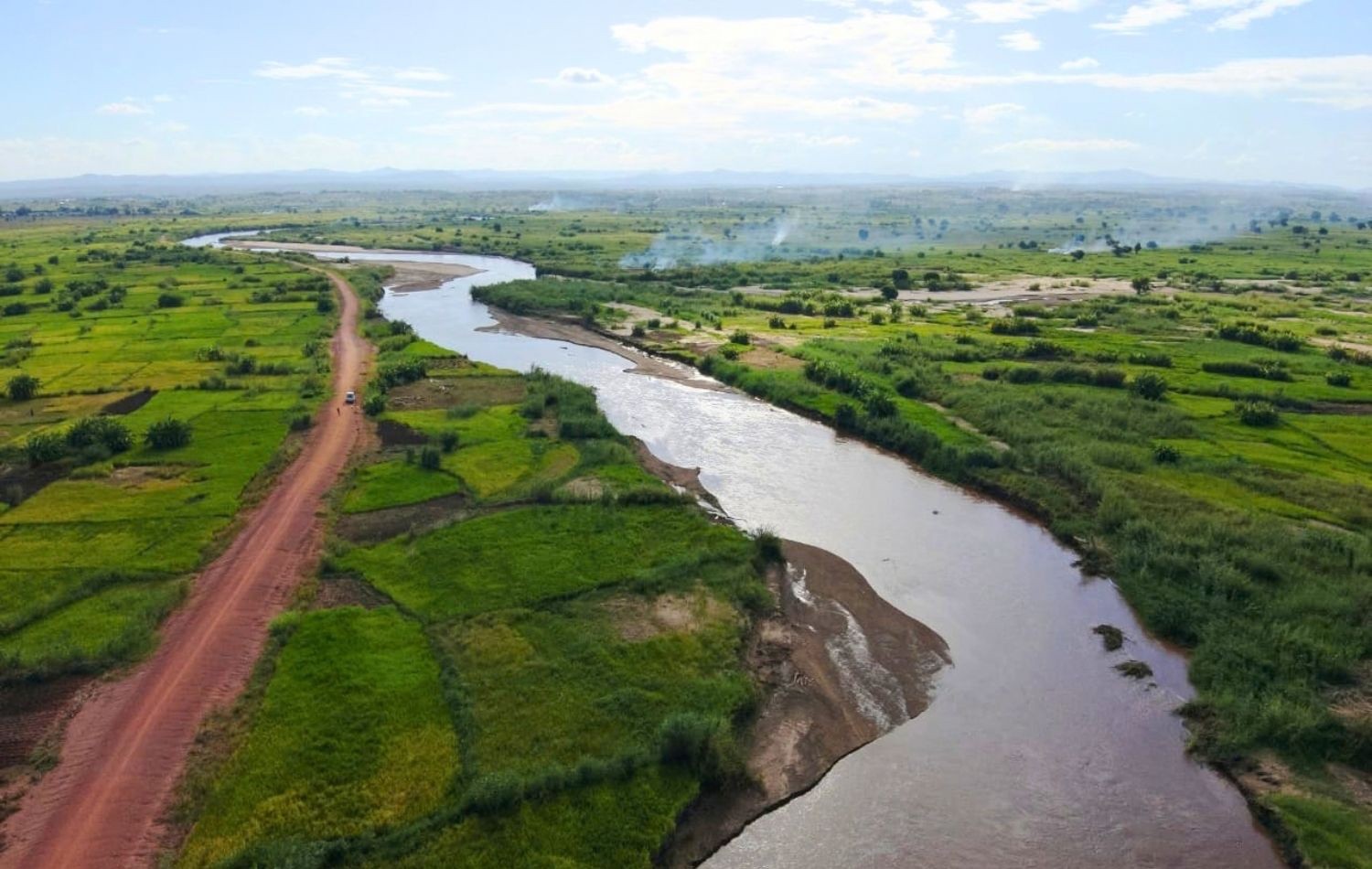
Over the past two years, the river has overflowed during both rainy seasons. Last year, many farmers lost a large portion of their harvest due to flooding. Now, the embankment allows us to cultivate our fields with greater security and look to the future with more hope, despite ongoing climate change.
Dickson Mapunda, Chairperson of the Chilingali Water Users Association
In Chilingali, Nkhotakota District, Central Malawi, the rainy season is not only an eagerly anticipated time for farmers: it is also a source of growing anxiety. When the Kaombe River swells rapidly, water can overflow its banks and breach the irrigation scheme, putting crops—and the livelihoods of more than 200 families—at risk.
This is why restoring and strengthening the buffer zone separating the irrigation scheme from the river course is far more than an infrastructure project. It means safeguarding arable land, the hard work of farmers, and the resources that entire families rely on throughout the year.
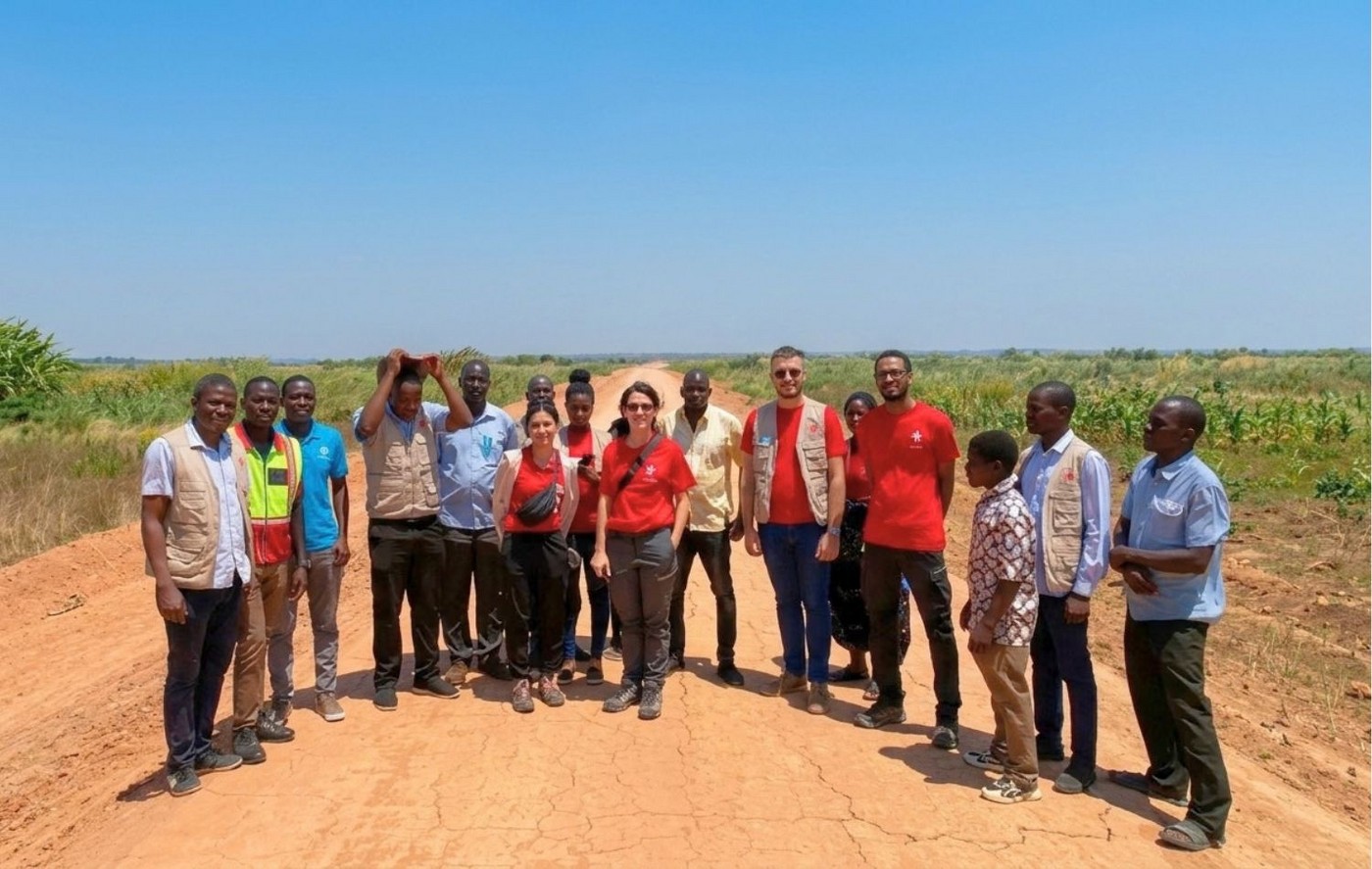
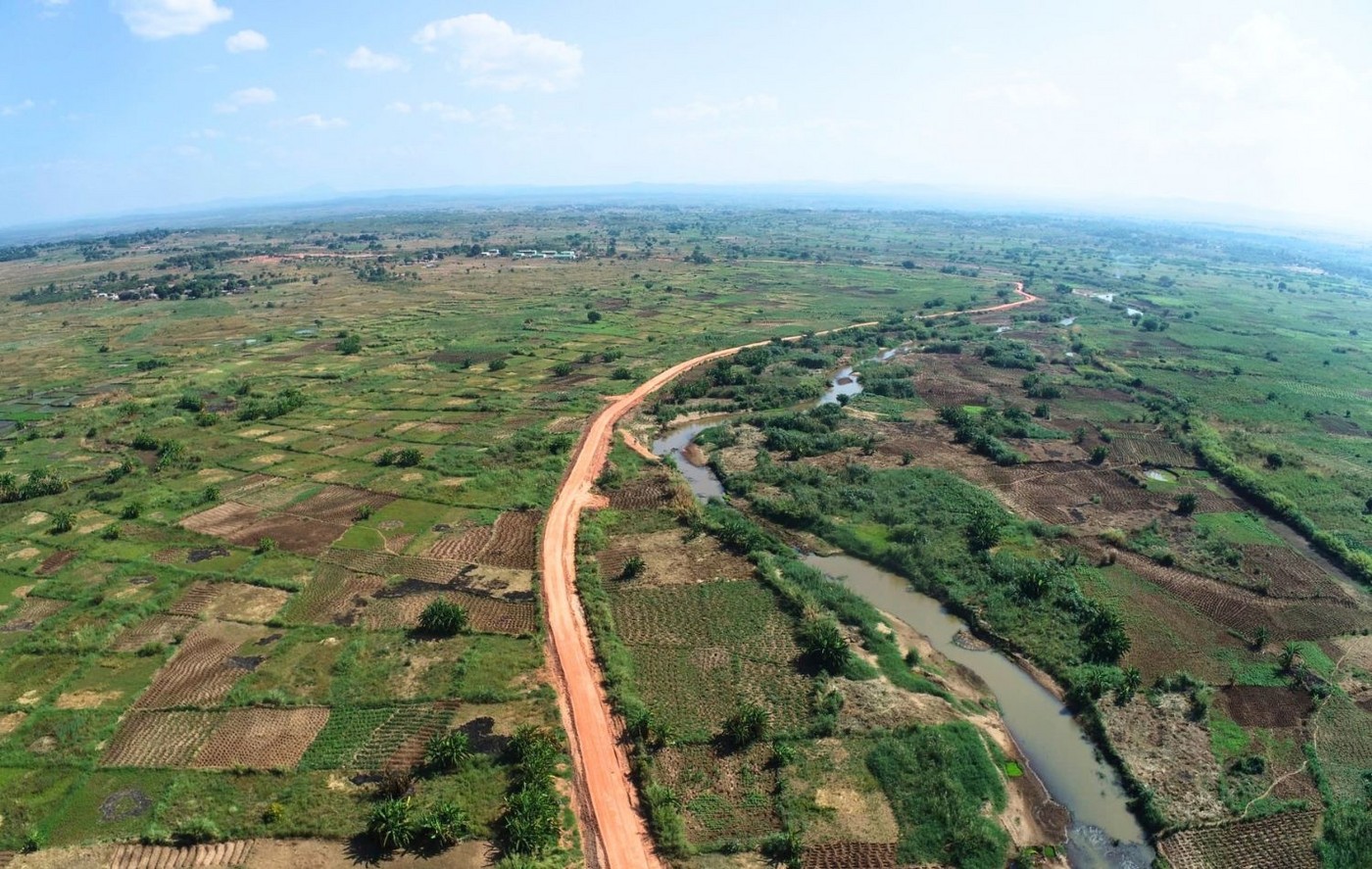
The protective strip, spanning a total length of 2.32 km, now borders the 100-hectare Chilingali irrigation scheme. The works rehabilitated 1.6 kilometers of the existing embankment and constructed an additional 0.5 kilometers, boosting its capacity to withstand floods from the Kaombe in the most exposed areas.
The protective strip surrounding the scheme here in Chilingali now serves not only as a walkway for farmers and agricultural equipment, but above all as a barrier against the increasingly frequent floods of the Kaombe River.
Vincent Phiri, Nkhotakota Principal Irrigation Officer
 The works, supervised by CISP in coordination with the District Department of Irrigation and the Department of Forestry and Natural Resources, were carried out through two complementary initiatives: the Smart Climate project (AID12590/09/9), co-funded by the Italian Agency for Development Cooperation (AICS), and the RISE-BIO project – Ecosystem and biodiversity restoration and protection of the Chilingali irrigation scheme, supported by the 8x1000 fund of the Waldensian Church.
In Malawi, where agriculture is a fundamental pillar of rural family livelihoods, the resilience of irrigation infrastructure is directly linked to community economic security. For the farmers of Chilingali, losing a crop to flooding means losing not only their food and income for the year, but also the resources required to face the following season.
In recent years, rainfall patterns have grown increasingly unpredictable. Longer dry spells alternate with heavier rains concentrated over shorter periods, heightening the risk of flash floods. The Kaombe is no exception: during recent rainy seasons, its waters reached levels that overtopped existing structures and flooded the irrigation scheme.
In February 2024, severe flooding caused significant damage, temporarily altering the river’s course and washing away part of the arable land belonging to local families. Because of this, completing the work before the onset of the November 2025 rainy season became a top priority for the community.
Innocent Mwale, a member of the Chilingali Water Users Association, still recalls the impact of that last flood:
Due to the February 2024 flooding, I lost almost my entire rice crop, which was swept away by the floodwaters just a few weeks before harvest. I was depending on that income to support my family for the next 12 months. Unfortunately, I had to sell much of what I owned to meet our needs. The new buffer zone built by the project allows me to invest my resources in the new agricultural season with greater confidence, keeping my family’s livelihood safe from future floods.
Making the irrigation scheme more resilient requires more than just physical embankments. To that end, the project also reinforced the most vulnerable spots with gabion baskets and consolidated the riverbank with riparian vegetation.
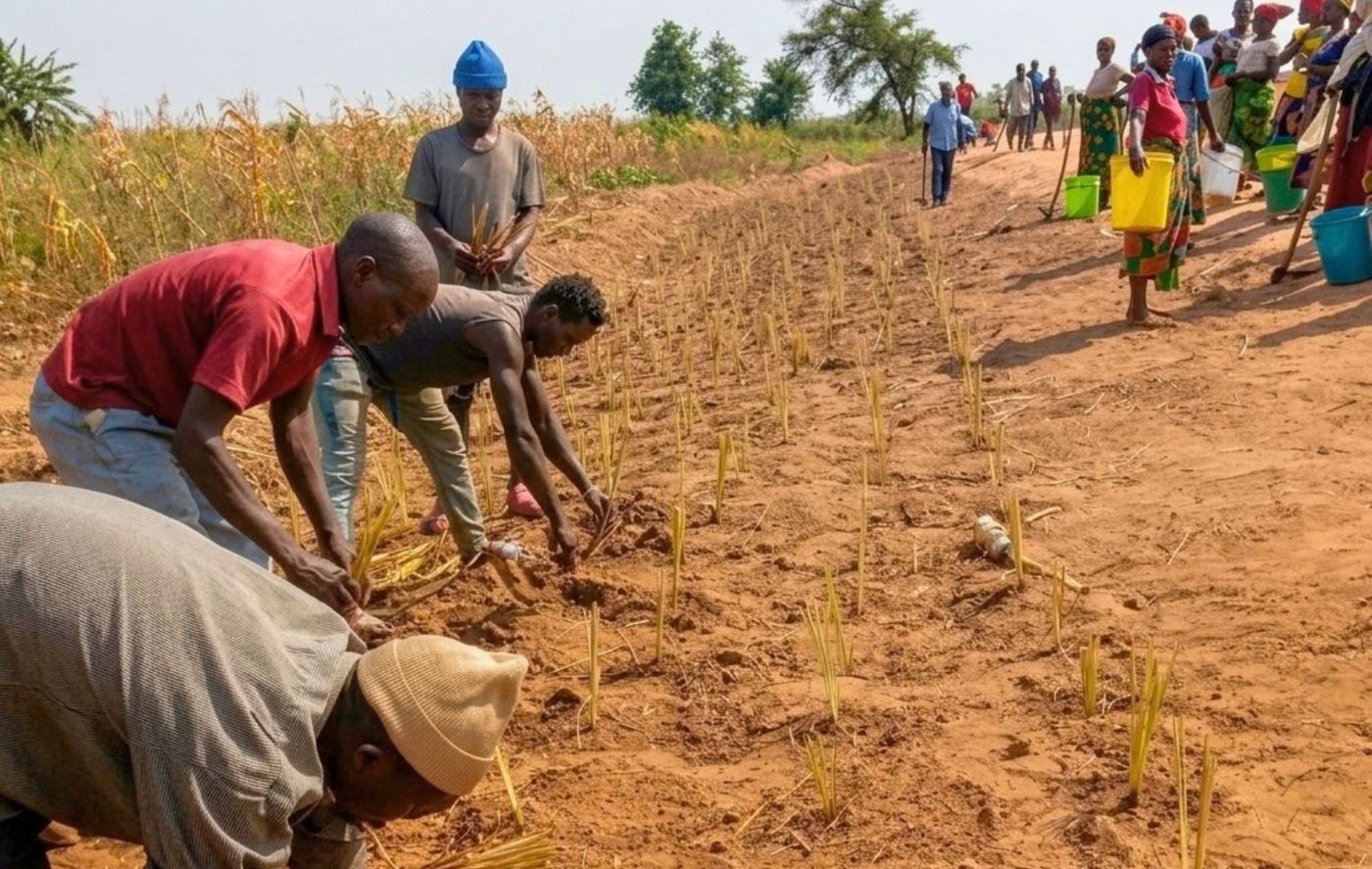
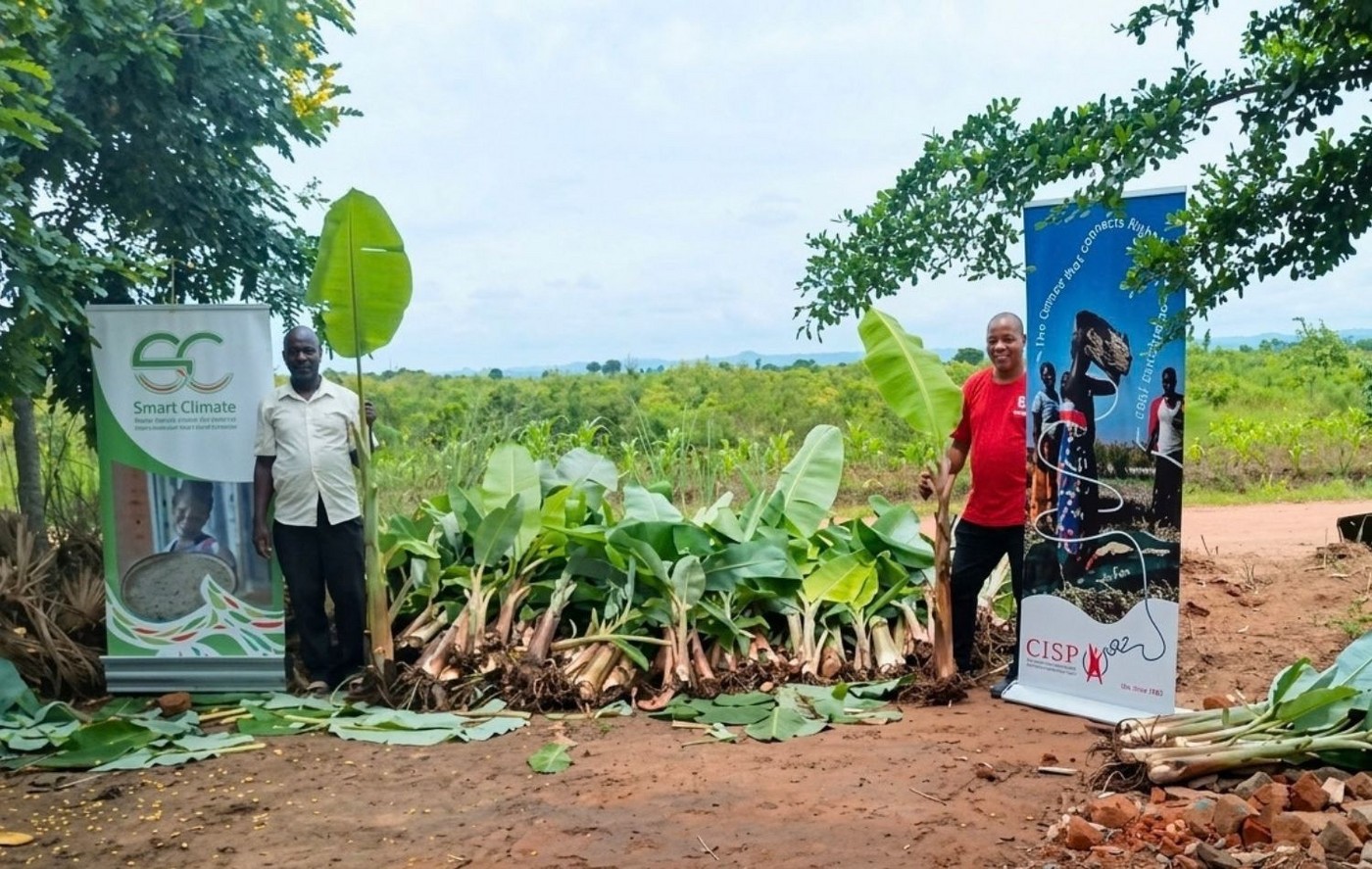
In collaboration with the Department of Forestry and Natural Resources, over 250 banana plants and 1,000 vetiver grass plants were planted to help stabilize the soil and prevent erosion. This vegetation also offers a potential additional source of income for the families farming within the scheme.
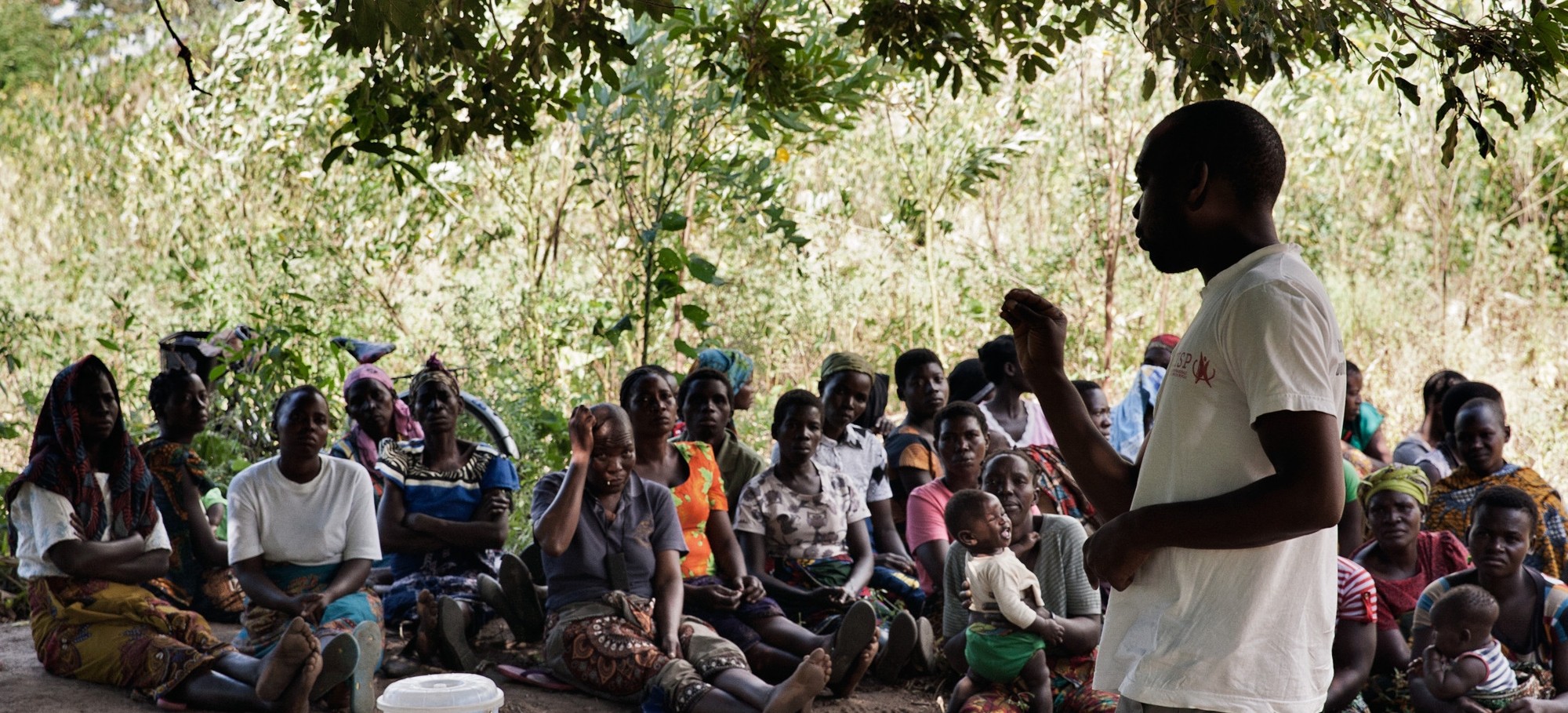
Alongside the physical works, the project supported the community in formulating local bylaws for managing forest resources along the buffer zone. The Chilingali Water Users Association committed to enforcing these rules and encouraging compliance among its members so that the interventions remain effective over time.
We will make sure to prevent farming right along the riverbank as was done in the past. Thanks to the project, we now understand the importance of keeping the riverbank healthy. Besides providing protection, the banana trees offer a new source of income. We must take care of the scheme where we work: without proper care, we risk losing it again.
A local farmer’s words capture a vital shift: the long-term safety of the irrigation scheme depends not only on physical infrastructure, but also on the community’s capacity to steward it and sustainably manage the surrounding natural resources.
Today in Chilingali, the strip along the Kaombe is once again equipped to withstand flooding. Combined with the new vegetation and buffer zone management rules, it is making the irrigation scheme far more sustainable for the future.
For the families of Chilingali, this means being able to keep farming, support their loved ones, and approach the coming agricultural season with peace of mind.